UX Design
Mobile Design
Service Design
User Interview
Nicole Kajander
Pyry Pajunen
Katharina Larikka
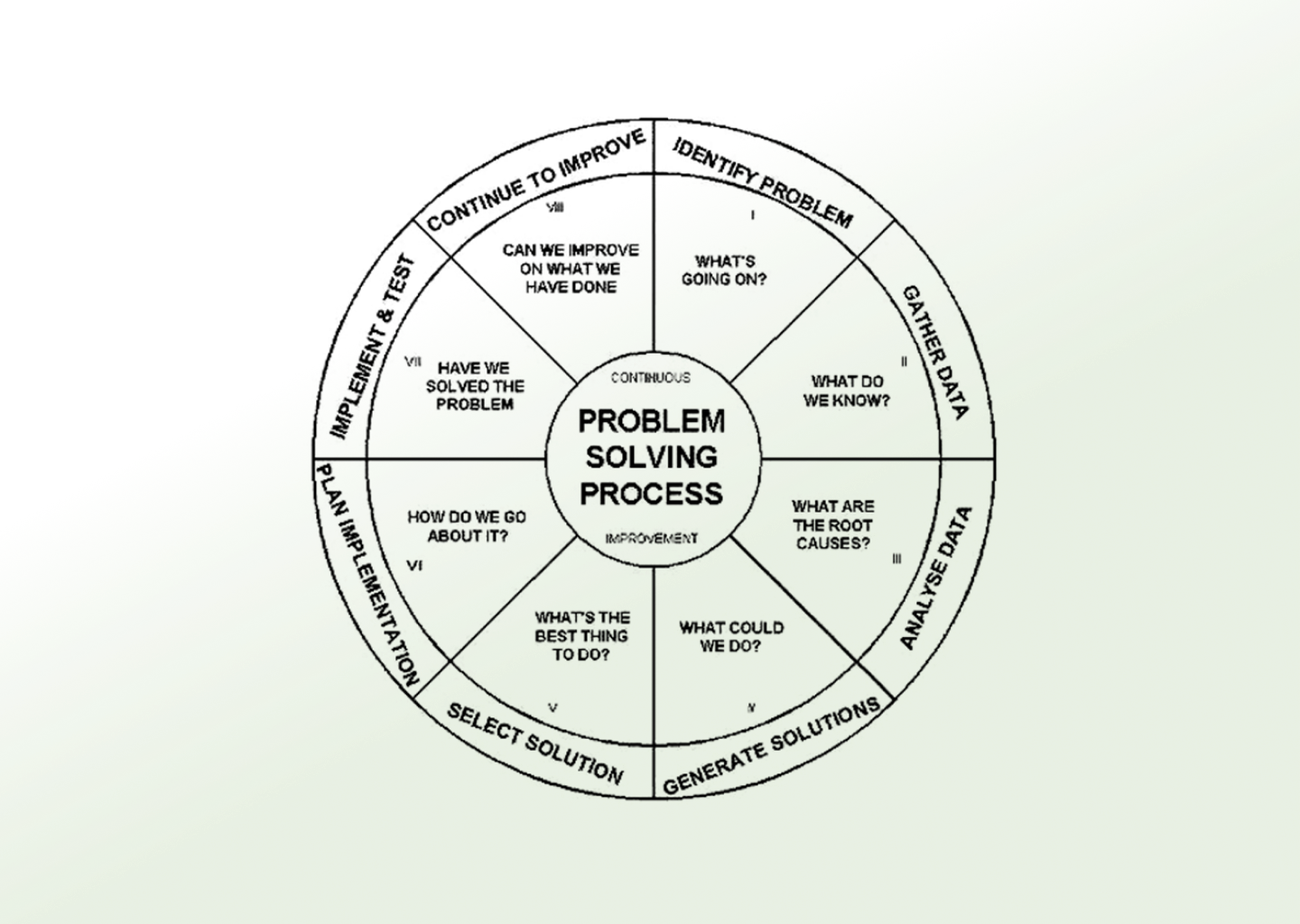
I lead my team creating a Recycle Service that reduces user efforts and promotes sustainability with a ML-drive bonus app. In the hackathon, we gathered the data of sustainable markets and consumers using 2 problem-solving models.
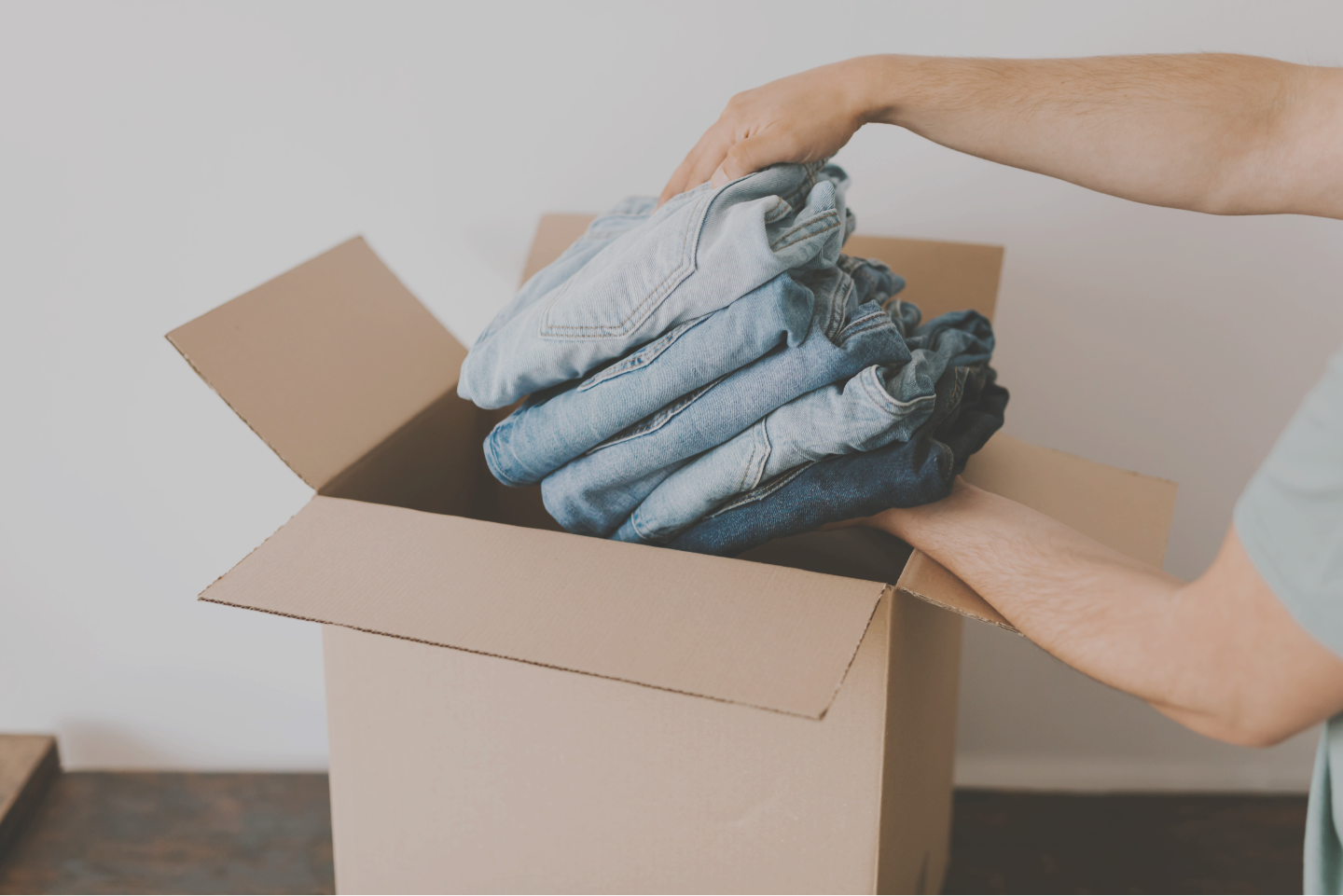
Fiberfy was formed as a service to help people recycle textiles efficiently by elevating reusable packages from their online shoppings. This also create a manageable textile flow to extend the lifecycle of a product by sending it straight to second-hand platforms or to factories.
To get a T-shirt being placed on the shelf, it needed to get through so many steps of logistics from material collecting, to factories, to manufacture and so on. However, consumers nowadays are influenced by social media with the demand to get new clothes frequently. Following a trend of "Cheap buy, quick throw", the life cycle in consumer use is getting shorter; and without proper recycling methods, textiles mostly go to landfills.
In the list of issues, we found the similarities between Logistics, Life cycle in consumer & End-of-life textiles. In order to understand the problems that can be addressed by developing a recycling system, I fleshed out a list of questions that helped me and my team determine.
According to the data we had, trends and overconsumption went hand in hand; and clothes were thrown away much quicker. For a really long time, it has been less possible to recycle clothes other than donating or reselling because people do not know how to do and there were not many places for it. Besides, we also found that the longer the lifecycle the more sustainable the fashion item. This is a problem that connects to overproduction and consumption. If we used things longer, we would need less thing.
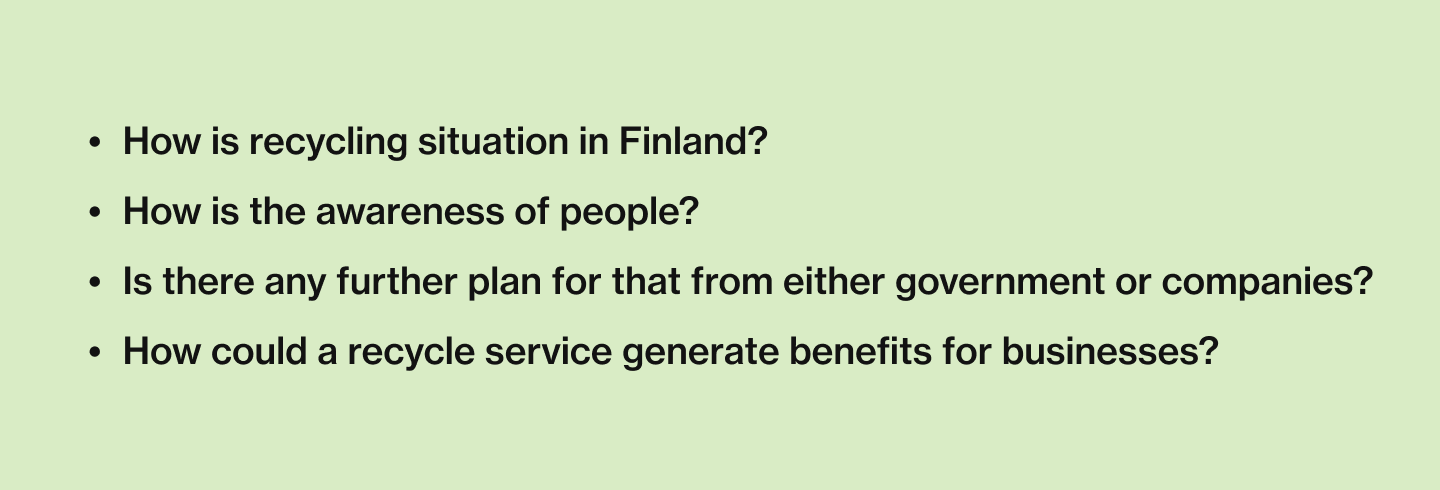
We proceeded with the total of 17 questions following the idea of 4 questions above. If the Brainstorm stage was about identifying how people around the world, in Europe and in Finland recycle, now I want to hear how our surroundings truly do.
Not a huge surprise but the answers mostly was not enough instruction or motivation for recycling and there were many reasons for clothes to be thrown away; and the 2 mains are getting rid of them while moving out and buying new.
According to the results, people tend to (be):
Especially, in Finland, there are not many textile recycling bins and they are usually placed separately from general waste bins. People can either bring their old clothes to recycle bins located outside of some supermarkets or to UFF or H&M (inside a shopping mall).
Due to the expansion of data we have after the interviews and workshops, the Problem-Solving model at the beginning was not enough for us. We were at the stage of Generate Solution but cannot conclude yet. Therefore, I needed to pick another model which was the Product Management (originally from “Product Management model for Project Manager”, suggested by a former Banking Manager in Australia).

Being in several projects and also this one, it proved my point that there would not be a best model or best progress to use for all cases or problems. Each stage can be applied with different methods which should be appropriate for the situation we are facing.
Honestly, when the amount of information had increased significantly in this stage, I was afraid to find a new model to match it and to manage it. I kept thinking what if we lose the track or the next one can not lead us to the end or it would require us to recreate the wheel. However, when I tried to connect the Product Management, it not only cleared the map for me by grouping the relevant information but also push the work forward and be a good guidance for my team whenever they have any doubts in mind.
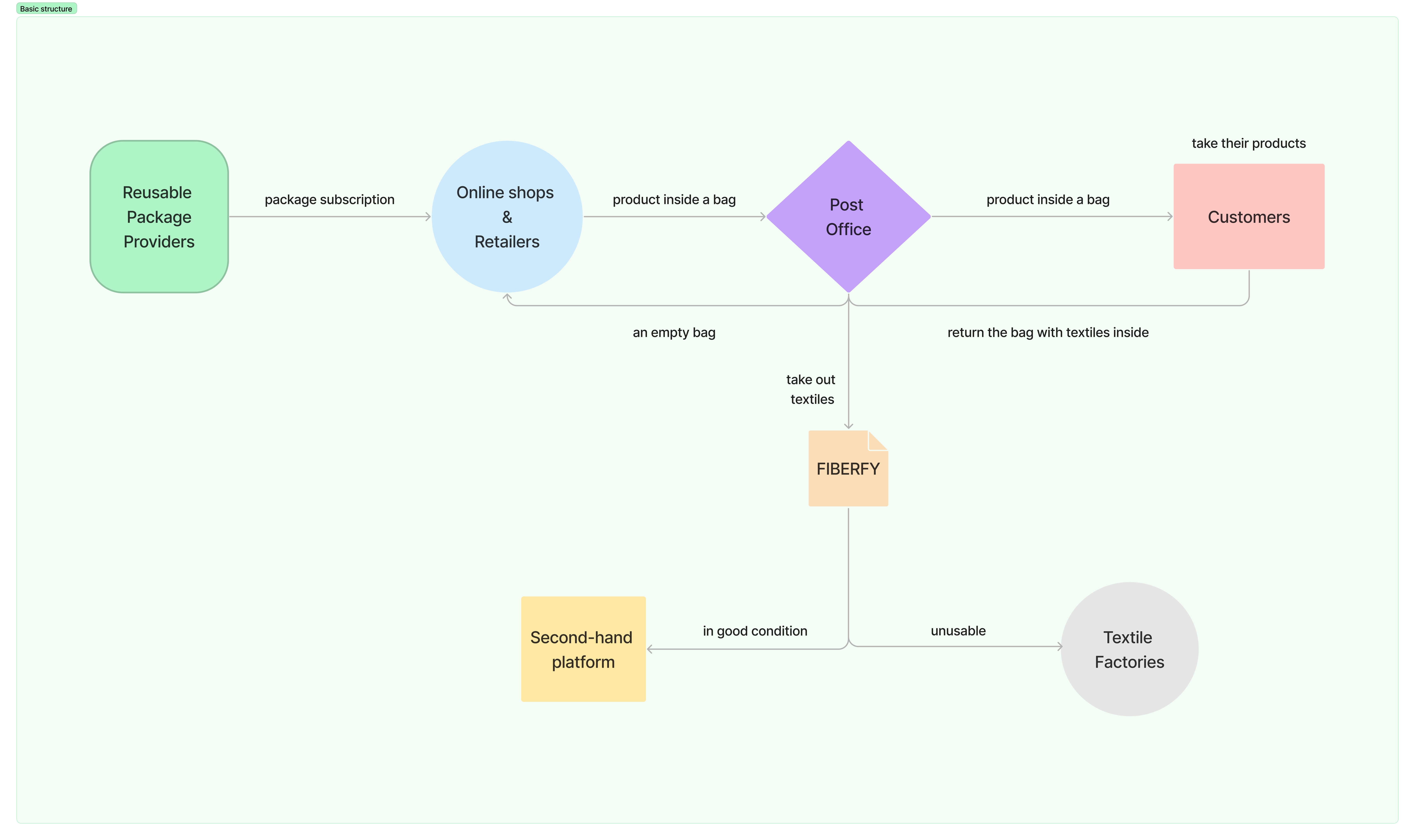
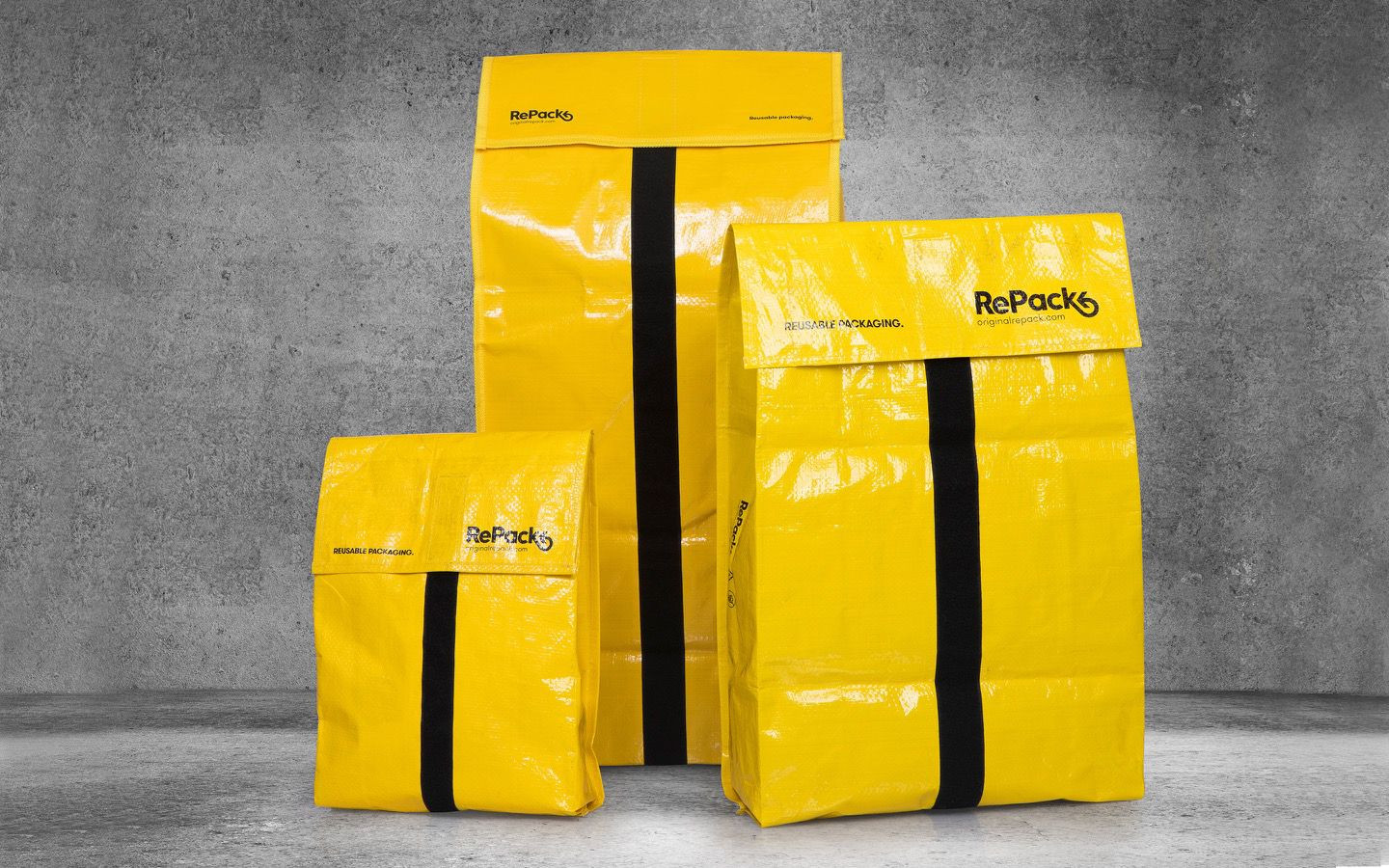
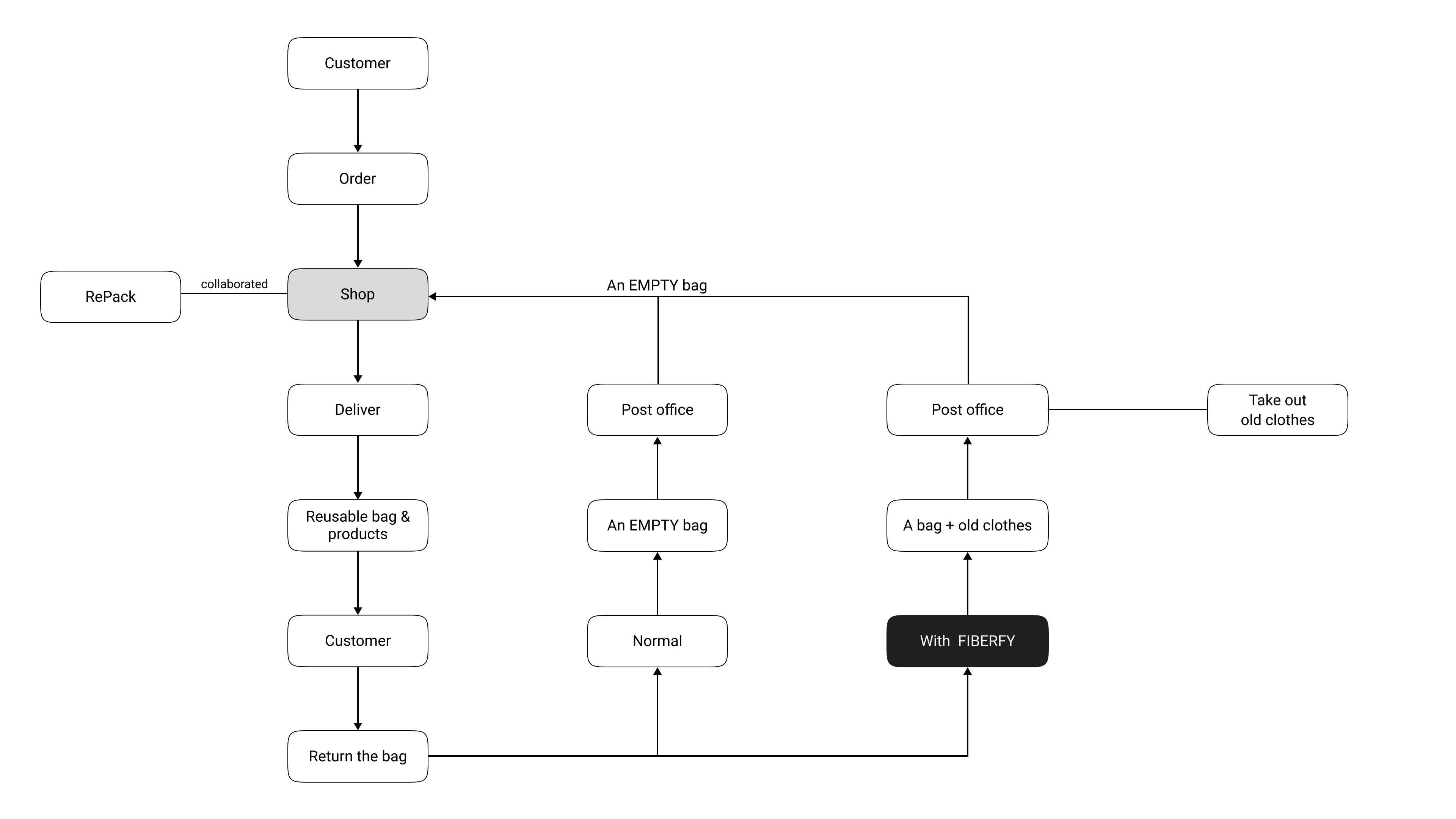
RePack, a company in Finland that provides reusable packages for online shops and different businesses. Our system aims to collaborate with them as well as similar companies and suggests users to send their old clothes by putting them into the returning bag. Customers who buy from a shop partnered with RePack will need to return the bag after receiving the product. Without our service, they will return an empty bag anyway; so now, why don’t they put their old clothes inside and do something meaningful?
In detail, when the bag with old clothes stops at the post office before being transferred back to the shop, our work is to take out that textile and bring them to our storages.
At the beginning, we just thought that overproducing occurs basically from “supply and demand”; and a simple solution for better end-of-life textiles is finding a new approach from different material like making fiber from wood. However, a key for building a product is user does not want to use a service, they want to live a good life.
Therefore, based on our cycle, we aim to collaborate with RePack which already has an existing flow from the returning of their packages. With our service, customers can inactively recycle without disturbing their daily routines. From this, people can return the package and get rid of their old stuff at the same time.
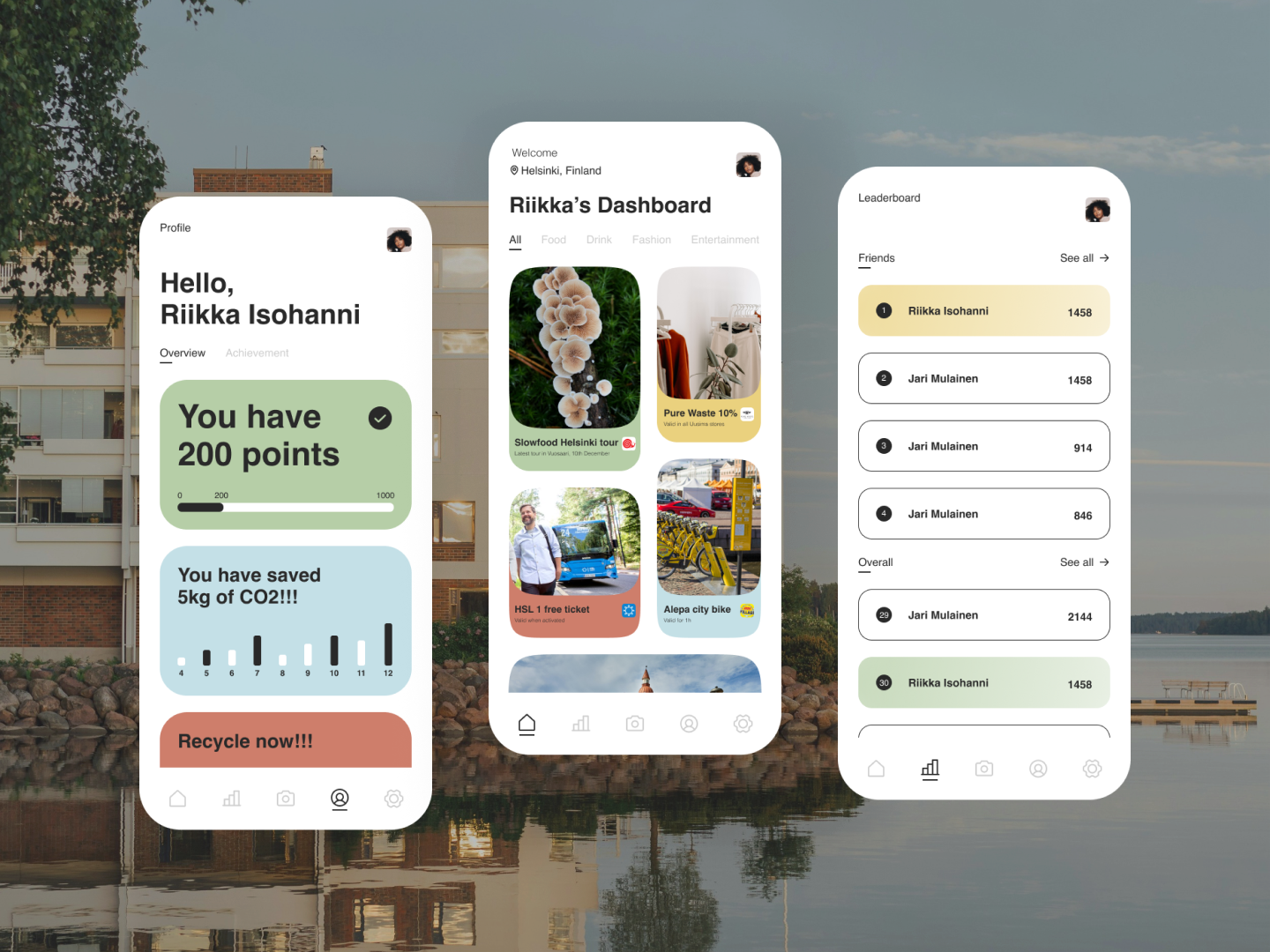
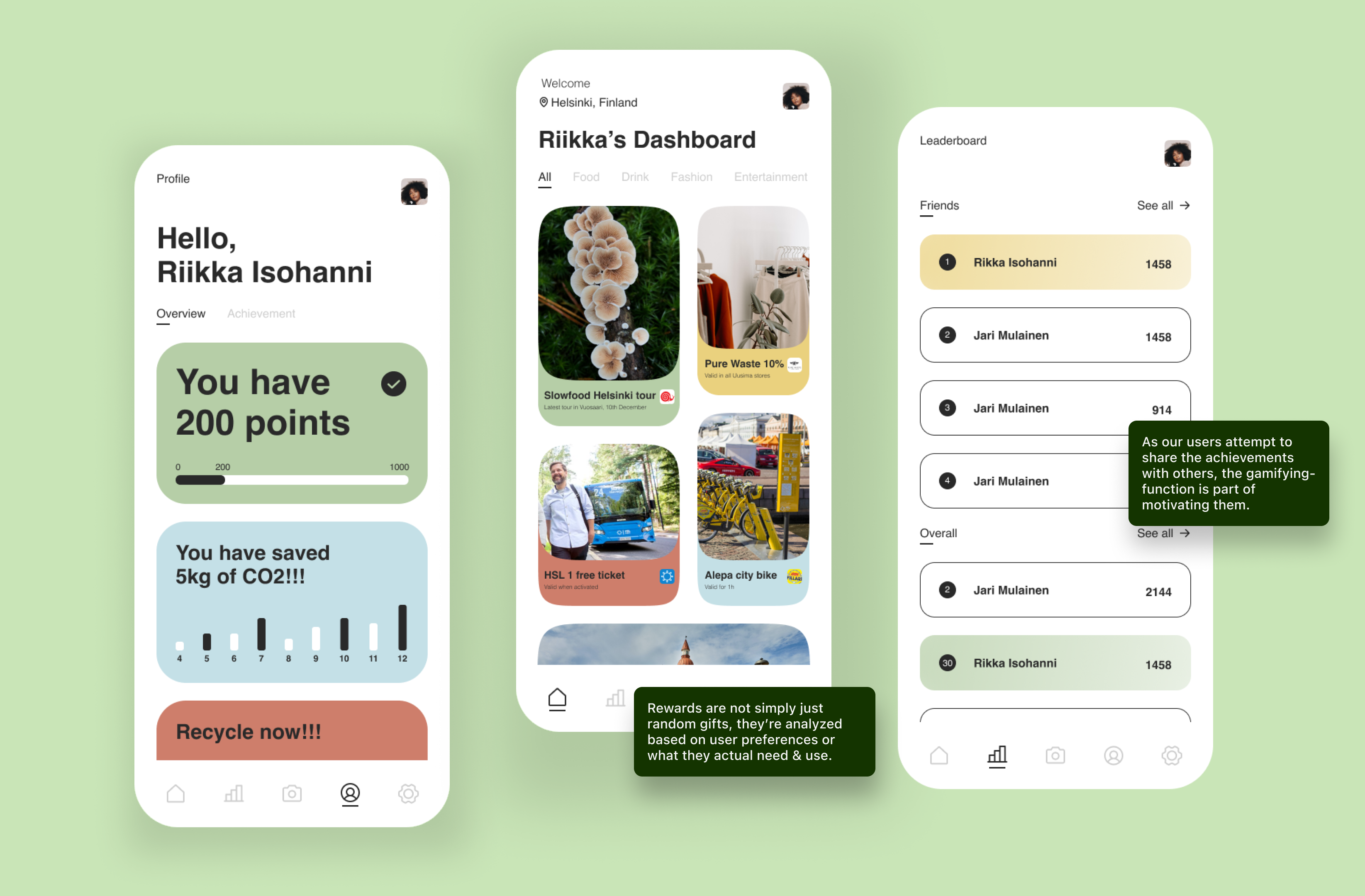
Besides, we also thought about creating an additional app to motivate customers to recycle. In brief, when a person brings their textiles to a recycling point like a Red Cross service, UFF or similarity, they scan a QR code to receive some points according to the amount of their stuff. Based on the number of points they have, our app would provide different public services depending on their preferences; for example, a discount from a sustainable fashion brand or a free public transport ticket. There were similar ideas in the market for example in Lahti city, but the app' Suggestion based on Machine learning-oriented. This means, the rewards follows the preference of users, not a random offer from a strange service.
What value would Fiberfy offer to a business or a customer?
RePack and online shops/retailers can offer Fiberfy as a new experience when customers decide to proceed with the returning package, and improve the conversion rate on their website with this. Moreover, there would be a textile factory opened in Finland in 2023 along with the neighbor countries like Denmark. It means having the control of textile resources could help them play a big role in textile recycle and sustainable materials in the Nordic market.
Using Fiberfy app and the service help them solve the problem of getting rid of old stuff and also benefit other needs in their lives. As nowadays’ rise of social media, people would be so excited about sharing their achievements. We aimed for this internal feeling to develop the leaderboard/gamifying function for the app so that users could compare their points with friends or global communities and be able to share that.
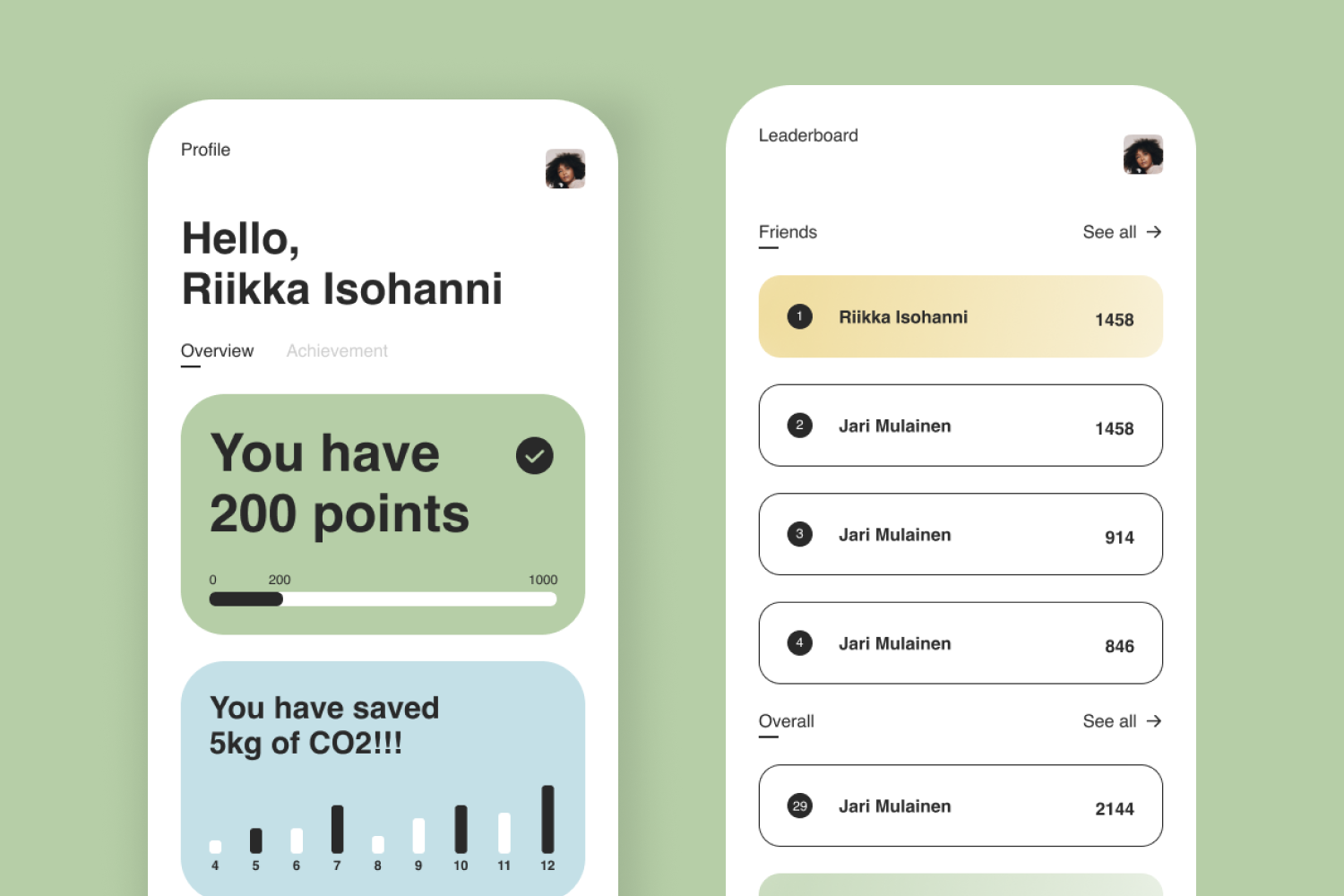
At the end of the project, we received a lot of questions related to “Will this service simulate people to buy more in order to recycle more and get the reward from the app?” or ”Does it still allow people to continue with fast fashion?”
In my opinion, even though the app would generate the rewards based on the needs as well as preferences of users, there would be many factors that affect their decision to do that. Moreover, we would need to research users further to find out what would they think if buying new clothes could also earn a reward when they recycle it. For the second question, we had thought about this before forming this solution. In fact, it is hard to say we could stop fast fashion with Fiberfy, but we can slow it down and reduce the impact of it at the end-of-life product. It means they can enjoy their trends, and we will take care of the output of that.
In another aspect, it would not be ideal to build Fiberfy alone as a startup because its system has so much dependence on a company like RePack - having a certain diversity of packaging. Therefore, if a company want to merge this to their business, they need to operate a package returning model. Otherwise, RePack can take place and turn Fiberfy into one of their features to support the whole service.